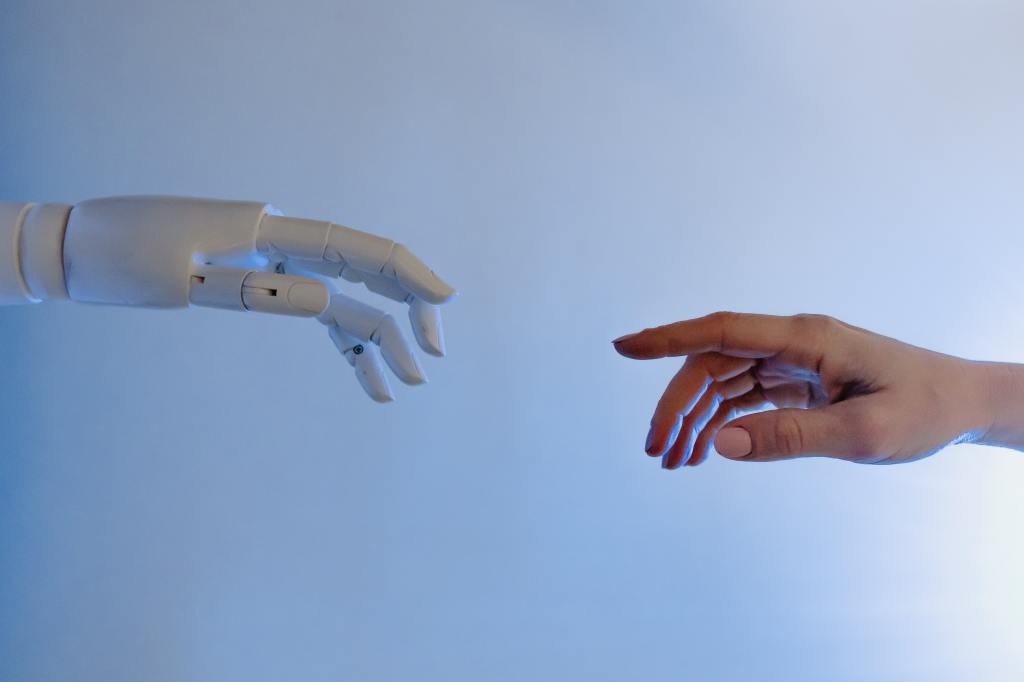
The Robots are here, are you ready to adapt or survive? Let’s take a look at its effect on the healthcare industry.
“Artificial Intelligence”, this technology has the potential to revolutionize various industries and is one of the most promising fields where AI is making waves in healthcare. AI is transforming how we diagnose, treat, and manage diseases, leading to better patient outcomes and more efficient healthcare delivery.
In this article, we’ll delve into how AI is affecting the healthcare industry, from enabling more accurate diagnoses to automating administrative tasks. We’ll explore how AI improves patient care, makes healthcare more accessible and affordable, and what the future holds for this exciting technology. So, whether you’re a healthcare provider, patient, or simply interested in the latest technological advancements, read on to discover the transformative impact of AI on healthcare.
5 Game-Changing Ways AI is Transforming Healthcare
- Diagnostics and Medical Imaging: AI is being used to analyze medical images, such as CT scans, MRIs, and X-rays, to help doctors detect and diagnose diseases earlier and more accurately. AI algorithms can identify patterns and anomalies that may be difficult for human eyes to spot, potentially leading to earlier treatment and better outcomes.
- Personalized Medicine: AI is helping to create personalized treatment plans based on a patient’s unique genetics, medical history, and lifestyle. AI algorithms can analyze large amounts of data to identify patterns and suggest the most effective treatment options for a particular patient.
- Administrative Tasks: AI is being used to automate administrative tasks, such as scheduling appointments, managing medical records, and handling insurance claims. This frees up healthcare professionals to focus on patient care, leading to more efficient and effective healthcare delivery.
- Drug Development: AI is being used to accelerate drug discovery and development by predicting the efficacy and potential side effects of new drugs. AI algorithms can analyze large amounts of data to identify promising drug candidates and speed up the drug development process.
- Remote Monitoring: AI is being used to monitor patients remotely, allowing healthcare providers to detect potential health problems before they become more serious. This can lead to early interventions and better outcomes for patients with chronic conditions or those recovering from surgery.

The pros and cons of the five ways that artificial intelligence is revolutionizing the healthcare industry:
- Diagnostics and Medical Imaging:
- Pros: AI can help doctors detect and diagnose diseases earlier and more accurately, leading to better patient outcomes. It can also help radiologists analyze images faster, reducing wait times for patients.
- Cons: AI algorithms may not always be accurate and can produce false positives or false negatives, leading to misdiagnosis or unnecessary treatment. There are also concerns about the reliability and safety of AI systems, which may not be properly regulated.
- Personalized Medicine:
- Pros: AI can help create personalized treatment plans based on a patient’s unique genetics, medical history, and lifestyle, leading to more effective treatment and better outcomes.
- Cons: There are concerns about the privacy and security of patient data, as well as the potential for bias in AI algorithms. There is also a risk that AI could lead to overdiagnosis and overtreatment.
- Administrative Tasks:
- Pros: Automating administrative tasks can free up healthcare professionals to focus on patient care, leading to more efficient and effective healthcare delivery.
- Cons: There is a risk that AI could lead to job losses for healthcare workers who perform administrative tasks. There are also concerns about the accuracy and reliability of AI systems, which may not always be able to handle complex or unusual cases.
- Drug Development:
- Pros: AI can help accelerate drug discovery and development by predicting the efficacy and potential side effects of new drugs, leading to faster development of new treatments.
- Cons: There is a risk that AI could lead to over-reliance on computer models and less emphasis on human expertise and creativity. There are also concerns about the cost and accessibility of new treatments developed using AI.
- Remote Monitoring:
- Pros: AI can help monitor patients remotely, allowing healthcare providers to detect potential health problems before they become more serious, leading to early interventions and better outcomes.
- Cons: There are concerns about the accuracy and reliability of AI systems used for remote monitoring, which may not always be able to detect subtle changes in a patient’s condition.
The use of Artificial Intelligence (AI) in the healthcare industry is transforming the way healthcare is delivered, resulting in more efficient and effective patient care. AI is revolutionizing healthcare in various ways, such as enhancing diagnostics, automating administrative tasks, and developing personalized treatment plans. By analyzing vast amounts of data, AI can identify patterns and make predictions that can lead to early disease detection, personalized treatment, and better outcomes for patients.
Some of the key takeaways regarding artificial intelligence in revolutionizing the healthcare industry include:
- AI can enhance diagnostics and medical imaging, leading to earlier and more accurate disease detection.
- AI can help develop personalized treatment plans based on a patient’s unique medical history, genetics, and lifestyle.
- AI can automate administrative tasks, freeing healthcare professionals to focus on patient care.
- AI can accelerate drug development, leading to the faster development of new treatments.
- AI can help monitor patients remotely, allowing for early interventions and better outcomes for patients with chronic conditions or those recovering from surgery.
In summary, AI has the potential to revolutionize the healthcare industry, leading to better patient outcomes, more efficient healthcare delivery, and more accessible and affordable healthcare. However, it is important to address concerns such as the privacy and security of patient data and the accuracy and reliability of AI systems.
For more insight check out this video with live questions and answers with The Medical Futurist
 Best of the Tech World With Tevin