If you take gaming seriously just like I do, you already know that the best laptop is necessary for the best possible gaming experience. Picking the ideal option for your needs might be challenging with so many available choices.
I’ve compiled a list of the top 10 gaming laptops for 2023 and provided in-depth reviews for each one. There is a laptop on our list that will meet your demands, whether you’re an avid gamer or a professional esports player. If you would like to read about some of the pros and cons about gaming laptops by “MUO” click here.
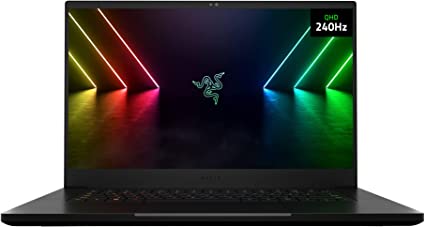
A top-tier gaming laptop, the Razer Blade 15 Advanced features an Intel Core i9 processor, 32GB of RAM, and a potent Nvidia GeForce RTX 3080 graphics card. Also, it has a sophisticated appearance and a superior 15.6-inch OLED display.
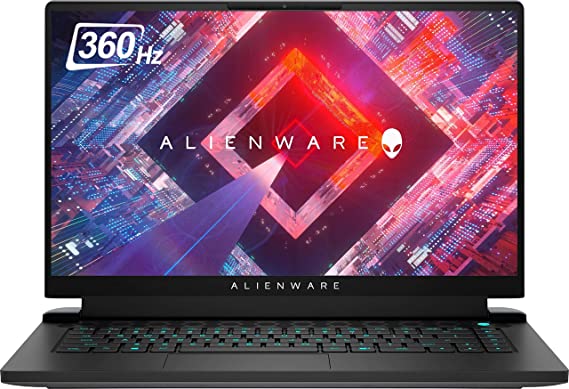
With an AMD Ryzen 9 processor, up to 32GB of RAM, and an Nvidia GeForce RTX 3070 graphics card, the Alienware m15 R5 is a potent gaming laptop. In addition, it boasts a keyboard that can be customized and a 15.6-inch FHD screen with a maximum refresh rate of 360Hz.
A powerful gaming laptop that is incredibly portable is the ASUS ROG Zephyrus G14. It includes an Nvidia GeForce RTX 3060 graphics card, an AMD Ryzen 9 processor, and up to 32GB of RAM. Also, it offers a 14-inch FHD display with a 120Hz refresh rate and a long battery life.
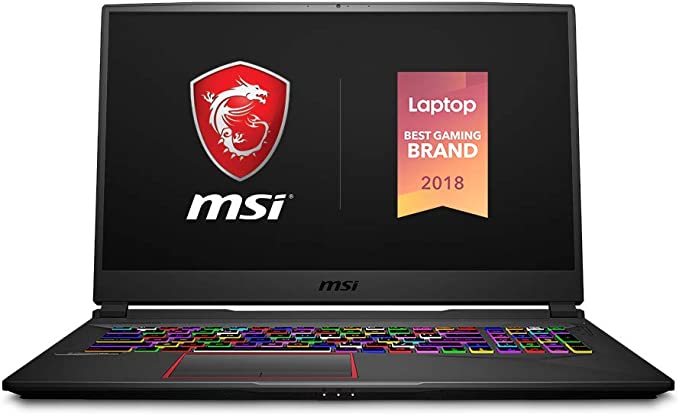
With an Intel Core i7 processor, up to 32GB of RAM, and an Nvidia GeForce RTX 3070 graphics card, the MSI GE75 Raider is a reliable gaming laptop. A 17.3-inch FHD display with a maximum refresh rate of 240Hz is also included.
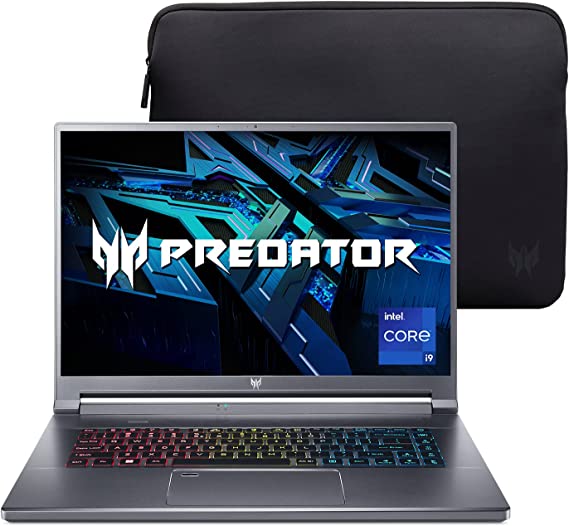
An elegant gaming laptop with an Intel Core i7 processor, up to 32GB of RAM, and an Nvidia GeForce RTX 3080 graphics card is the Acer Predator Triton 500. A 15.6-inch FHD display with a refresh rate of up to 300Hz is also included.
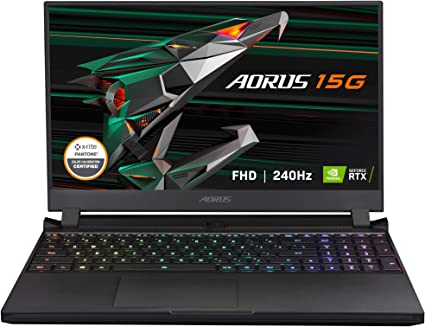
A powerful gaming laptop with an Intel Core i7 processor, up to 64GB of RAM, and an Nvidia GeForce RTX 3070 graphics card is the Gigabyte AORUS 15G. A 15.6-inch FHD display with a refresh rate of up to 240Hz is also included.
With an Intel Core i7 processor, up to 32GB of RAM, and an Nvidia GeForce RTX 3060 graphics card, the Lenovo Legion 7i is a reliable gaming laptop. A 15.6-inch FHD display with a refresh rate of up to 240Hz is also included.
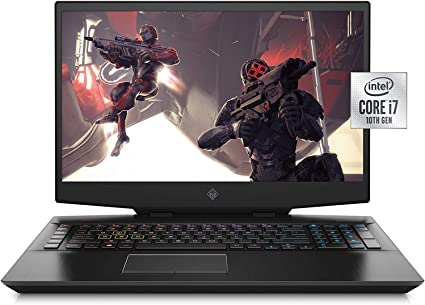
With an AMD Ryzen 7 processor, up to 32GB of RAM, and an Nvidia GeForce RTX 3070 graphics card, the HP OMEN 15 is a fantastic gaming laptop. A 15.6-inch FHD display with a maximum refresh rate of 165Hz is also included.
The ASUS TUF A15 is an affordable gaming laptop with plenty of power. It has an Nvidia GeForce GTX 1660 Ti graphics card, an AMD Ryzen 7 processor, and up to 16GB of RAM. Also, it has a tough construction that can take some harsh handling and a 15.6-inch FHD display with a 144Hz refresh rate.
Another affordable choice that offers good gaming performance is the Dell G5 15 SE. It includes an AMD Radeon RX 5600M graphics card, an AMD Ryzen 5 processor, and up to 16GB of RAM. A 15.6-inch FHD display with a refresh rate of up to 144Hz is also included.
Buying Guide
After viewing our top 10 selections for gaming laptops, it’s crucial to know what to consider when selecting the ideal laptop for you. Heres what I would consider:
Processor: To ensure fluid gameplay and short load times, look for a laptop with a strong processor, like an Intel Core i7 or AMD Ryzen 7.
Graphics Card: To run demanding games smoothly, you need a dedicated graphics card such as Nvidia GeForce RTX or AMD Radeon RX.
RAM: Go for at least 16GB of Memory, but for more intensive games, 32GB or even 64GB is preferable.
Display: For a fluid gaming experience, a high-quality display with a quick refresh rate is essential. Look for a refresh rate of at least 120Hz and a minimum resolution of 1080p.
Portability: If you intend to use your laptop while on the go, opt for a lightweight, portable design.
In essence, the gaming experience you have can be greatly impacted by the laptop you choose. When choosing from among our top 10 gaming laptops, make sure to take your demands and preferences into account as well as aspects like processing speed, graphics power, and display quality. In 2023 and beyond, you’ll be able to advance your gaming with the proper laptop.
Are you new to the world of gaming? Then this beginner’s guide to gaming is for you! Perhaps you’ve dabbled in a few games here and there but want to deepen your understanding of this exciting and rapidly growing industry. If so, you’re in the right place. This article aims to provide you with a beginner’s guide to gaming by introducing you to five key concepts that every gamer should know.
Gaming is the act of playing video games on various platforms such as consoles, computers, and mobile devices. Video games offer a virtual world that can range from simple games with basic graphics to complex, immersive environments that offer hours of entertainment.
While gaming can be a fun and enjoyable pastime, it can also be complex and challenging. Understanding gaming concepts is crucial to becoming a successful and skilled gamer. By understanding these key concepts, you can improve your gameplay, enhance your overall gaming experience, and even connect with other gamers. So whether you’re a complete beginner or have some gaming experience under your belt, this article will provide you with the knowledge you need to get started in the exciting world of gaming.
Understanding the Gaming World
The gaming industry is a rapidly growing and constantly evolving sector that generates billions of dollars in revenue each year. It encompasses everything from small indie studios to major game development companies, and it spans a range of platforms and devices, including consoles, PCs, and mobile devices. The industry is constantly innovating and pushing the boundaries of what is possible in terms of technology, storytelling, and game design, making it an exciting and dynamic space to be in.
There are several types of gaming platforms, each with its own unique features and benefits. Console gaming, for example, offers high-quality graphics and immersive gameplay experiences, while PC gaming provides more flexibility and customization options. Mobile gaming, on the other hand, is highly accessible and convenient, allowing players to play games on the go. Other types of gaming platforms include VR and AR, which offer immersive and interactive experiences, and cloud gaming, which allows players to stream games online without the need for powerful hardware. This beginner’s guide to gaming is perfect to guide you in making your gaming decisions.
Gaming communities are groups of like-minded individuals who share a passion for gaming. They can take many forms, including online forums, social media groups, and local meetups. These communities are important for gamers because they offer a sense of belonging and connection, as well as opportunities for collaboration and learning. Gaming communities can also provide valuable feedback and support, helping gamers to improve their skills and achieve their goals. As such, they are an essential part of the gaming world and are integral to the success of many games and gaming companies.
5 Key Gaming Concepts
Our first step in the beginner’s guide to gaming is identifying a few concepts. Understanding them will be extremely beneficial in your decision-making.
Here’s a list of the key gaming concepts to look out for:
Gameplay
Gameplay is the interactive and dynamic aspect of video games that engages players and provides them with a set of challenges and goals to achieve. It encompasses all the activities and experiences that a player has while playing a game, including the controls, objectives, and mechanics that allow the player to progress through the game. The elements of gameplay can vary depending on the game, but they typically include things like objectives, rules, challenges, feedback, and rewards. A good gameplay design is one that strikes a balance between challenge and reward, providing players with a sense of accomplishment and enjoyment as they progress through the game.
There are many popular games that are known for their excellent gameplay design. Some examples include:
Super Mario Bros: This classic platformer from Nintendo is a prime example of excellent gameplay design. The game’s simple but effective controls, challenging levels, and satisfying power-ups make it a joy to play even after all these years.
The Legend of Zelda: Breath of the Wild: This Nintendo open-world adventure game is a triumph of game design. Its vast, immersive world, innovative puzzles, and intuitive gameplay mechanics make it one of the best games of its generation.
Overwatch: This team-based multiplayer shooter from Blizzard Entertainment has become a global phenomenon thanks to its fast-paced gameplay, diverse cast of characters, and strategic gameplay mechanics.
Dark Souls: This notoriously difficult action RPG from FromSoftware is known for its challenging gameplay and unforgiving difficulty curve. Despite its high level of difficulty, the game’s responsive controls, intricate level design, and deep combat system make it a satisfying experience for those who enjoy a challenge.
Minecraft: This sandbox-style game from Mojang has become a cultural phenomenon thanks to its limitless gameplay possibilities. Players can explore, build, and create in a world of their own making, using the game’s intuitive crafting system and the vast array of materials to bring their visions to life.
Game Mechanics
Game mechanics refer to the rules, systems, and interactions that define the gameplay experience of a video game. They are the fundamental building blocks of a game’s design, providing structure and coherence to the player’s experience. Game mechanics can vary greatly from game to game, but they are essential to creating engaging and rewarding gameplay experiences.
There are several different types of game mechanics that can be used to create different types of gameplay experiences. Some examples include:
Movement mechanics: These mechanics dictate how the player moves within the game world, including things like running, jumping, and climbing.
Combat mechanics: These mechanics define how the player engages in combat with enemies, including things like attack and defense moves, weapons, and special abilities.
Puzzle mechanics: These mechanics involve the use of logic and problem-solving skills to overcome obstacles and progress through the game.
Resource management mechanics: These mechanics involve managing resources such as health, ammunition, and currency, to ensure that the player can survive and progress through the game.
Progression mechanics: These mechanics involve the use of rewards, such as experience points, levels, and unlockable content, to motivate the player and provide a sense of accomplishment as they progress through the game.
There are many popular games that are known for their excellent gameplay mechanics. Some examples include:
Portal 2: This puzzle-platformer from Valve is widely regarded as one of the best games of all time thanks to its innovative and challenging gameplay mechanics. The game’s use of portals to solve puzzles is a prime example of excellent game mechanics design.
The Witcher 3: Wild Hunt: This action RPG from CD Projekt Red is known for its deep and engaging gameplay mechanics. The game’s complex combat system, intricate crafting and leveling systems, and meaningful player choices make it a standout in the genre.
PlayerUnknown’s Battlegrounds (PUBG): This battle royale game from PUBG Corporation is a masterclass in multiplayer gameplay mechanics. The game’s use of shrinking play zones, randomized loot, and intense gunplay mechanics make it a thrilling and addictive experience.
Half-Life 2: This classic first-person shooter from Valve is known for its innovative gameplay mechanics. The game’s use of physics-based puzzles, gravity gun, and interactive environment mechanics were groundbreaking at the time and are still highly regarded today.
Stardew Valley: This indie farming simulation game from ConcernedApe is a shining example of well-designed gameplay mechanics. The game’s use of farming, crafting, and socializing mechanics is highly addictive and rewarding, providing players with a relaxing and satisfying gameplay experience.
Player Progression
Player progression refers to the process of a player improving their abilities, gaining new skills or powers, and becoming more powerful or knowledgeable within a game. It is a key component of many games, providing players with a sense of accomplishment and motivation to keep playing.
There are several different types of player progression that can be used to create different types of gameplay experiences. Some examples include:
Leveling up: This is one of the most common forms of player progression, where players earn experience points by completing tasks or defeating enemies and level up to gain new abilities or perks.
Skill trees: This type of player progression involves unlocking new skills or abilities by investing points in a skill tree. This allows players to customize their character’s abilities and play style.
Equipment upgrades: This type of player progression involves acquiring new equipment or upgrading existing equipment to improve the player’s stats or abilities.
Quest progression: This type of player progression involves completing quests or missions to progress through the game’s story or unlock new content.
Social progression: This type of player progression involves building relationships with NPCs or other players to gain access to new content or abilities. This is often used in social games or MMOs.
Many popular games feature excellent player progression systems that keep players engaged and motivated to keep playing. Here are some examples:
The Elder Scrolls V: Skyrim: This open-world RPG features a complex leveling system that allows players to level up various skills and abilities, unlocking new perks and abilities as they progress. The game also features a vast array of quests and content to explore, providing ample opportunity for player progression.
Destiny 2: This multiplayer FPS features a variety of progression systems, including leveling up your character, acquiring new gear, and unlocking new abilities. The game’s endgame content provides a steady stream of new challenges and rewards to keep players engaged.
World of Warcraft: This massively multiplayer online game is known for its deep and complex progression systems. Players can level up their characters, acquire new gear, and unlock new abilities as they progress through the game’s content. The game’s social aspects also provide opportunities for players to progress by building relationships with other players.
Hollow Knight: This 2D action-platformer features a deep and engaging progression system. Players acquire new abilities and powers as they explore the game’s vast interconnected world, providing a sense of discovery and accomplishment.
Persona 5: This JRPG features a unique progression system where players level up not only their characters but also their relationships with other characters in the game. This allows players to unlock new abilities and perks, while also providing a sense of immersion in the game’s story and world.
Storytelling in Games
Storytelling in games refers to the narrative structure, characters, and plot elements that are used to create a cohesive and immersive story experience within a game. It is a crucial component of many games, providing players with a sense of purpose and motivation to progress through their content.
A well-crafted story can provide players with a sense of immersion and investment in the game’s world and characters. It can also provide a sense of purpose and motivation for players to progress through the game’s content. A strong narrative can also elevate the game beyond a simple collection of mechanics and provide a more meaningful and memorable experience for players. In some cases, the storytelling in games can rival that of movies or literature, creating a unique and powerful medium for storytelling. As games continue to evolve and become more sophisticated, the importance of storytelling in games will only continue to grow.
There are many games that have been praised for their exceptional storytelling. Here are some examples:
The Last of Us: This post-apocalyptic action-adventure game tells the story of Joel, a smuggler, and Ellie, a young girl, as they navigate a dangerous world filled with infected humans and hostile survivors. The game’s narrative is emotionally charged and has been praised for its mature themes and complex characters.
Life is Strange: This episodic adventure game follows the story of Max, a high school student who discovers she has the ability to rewind time. The game’s narrative deals with themes such as friendship, love, and loss, and has been praised for its unique and engaging story.
Red Dead Redemption 2: This open-world western game tells the story of Arthur Morgan, a member of the Van der Linde gang, as he navigates a changing world and comes to terms with his own morality. The game’s narrative is complex and emotional, with memorable characters and themes of redemption and loyalty.
Mass Effect 2: This science-fiction RPG puts players in the shoes of Commander Shepard as they assemble a team of diverse characters and embark on a mission to save the galaxy from an ancient threat. The game’s narrative is epic in scope and has been praised for its memorable characters, themes of loyalty and sacrifice, and player-choice-driven story.
What Remains of Edith Finch: This narrative-driven game tells the story of the Finch family, a cursed family with a long history of tragic deaths. The game’s narrative is presented in a unique and engaging way, with players exploring the family’s abandoned home and uncovering the stories of each family member through interactive vignettes.
Multiplayer Gaming
Multiplayer gaming refers to games that allow players to interact and play with each other in real time, either online or locally. In multiplayer gaming, players can compete against each other or work together towards a common goal. Various types of multiplayer gaming include cooperative competitive multiplayer, and massively multiplayer online games (MMOs).
Co-operative multiplayer games allow players to work together towards a common goal, such as completing a level or defeating a boss. Competitive multiplayer games, on the other hand, pit players against each other in head-to-head matches, often with a ranking or matchmaking system to ensure fair competition. MMOs are games that allow thousands of players to interact and play with each other in a persistent online world, often with a deep and complex progression system and social features to encourage player interaction. Multiplayer gaming has become an increasingly popular and important part of the gaming industry, providing players with a social and engaging experience that can be enjoyed with friends or strangers from around the world.
Don’t be afraid to try different genres of games to find what suits you best.
Look for games with tutorials or beginner modes to help you get started.
Read reviews or watch gameplay videos to get an idea of what a game is like before buying it.
Practice, Practice, Practice:
Take the time to learn the game’s mechanics and controls.
Start with easier levels or difficulty settings and gradually increase the challenge.
Focus on improving one aspect of your gameplay at a time, such as accuracy or reaction time.
Learn from Your Mistakes:
Don’t get discouraged by failure; instead, use it as an opportunity to learn and improve.
Analyze your mistakes and figure out what you could have done differently.
Watch gameplay videos of more experienced players to learn new strategies and techniques.
Connect with Other Gamers:
Join online communities or forums dedicated to the game or genre you’re interested in.
Play with friends or join a guild/clan to have a social and supportive gaming experience. Participate in online events or tournaments to challenge yourself and meet other gamers.
Have Fun!
Remember that gaming is supposed to be a fun and enjoyable experience.
Take breaks when you need to and don’t let gaming consume all of your time and energy. Don’t get too caught up in winning or achieving specific goals; enjoy the journey and the experience.
In summary, this guide has covered some of the key concepts that every beginner should know when starting to explore the world of gaming. We’ve discussed gameplay and game mechanics, player progression, storytelling, multiplayer gaming, and provided some tips for beginners to get started.
For those who may be hesitant to start playing, we encourage you to give gaming a try. With so many different types of games and platforms available, there is something out there for everyone. And with the tips provided, you’ll have the tools you need to get started and improve your skills.
Ultimately, the most important thing to remember when starting out in gaming is to have fun. Don’t worry about being the best or winning every time; enjoy the experience and the opportunity to explore new worlds and stories. And always remember to be respectful and kind to other players, whether online or in person.
The Robots are here, are you ready to adapt or survive? Let’s take a look at its effect on the healthcare industry.
“Artificial Intelligence”, this technology has the potential to revolutionize various industries and is one of the most promising fields where AI is making waves in healthcare. AI is transforming how we diagnose, treat, and manage diseases, leading to better patient outcomes and more efficient healthcare delivery.
In this article, we’ll delve into how AI is affecting the healthcare industry, from enabling more accurate diagnoses to automating administrative tasks. We’ll explore how AI improves patient care, makes healthcare more accessible and affordable, and what the future holds for this exciting technology. So, whether you’re a healthcare provider, patient, or simply interested in the latest technological advancements, read on to discover the transformative impact of AI on healthcare.
5 Game-Changing Ways AI is Transforming Healthcare
Diagnostics and Medical Imaging: AI is being used to analyze medical images, such as CT scans, MRIs, and X-rays, to help doctors detect and diagnose diseases earlier and more accurately. AI algorithms can identify patterns and anomalies that may be difficult for human eyes to spot, potentially leading to earlier treatment and better outcomes.
Personalized Medicine: AI is helping to create personalized treatment plans based on a patient’s unique genetics, medical history, and lifestyle. AI algorithms can analyze large amounts of data to identify patterns and suggest the most effective treatment options for a particular patient.
Administrative Tasks: AI is being used to automate administrative tasks, such as scheduling appointments, managing medical records, and handling insurance claims. This frees up healthcare professionals to focus on patient care, leading to more efficient and effective healthcare delivery.
Drug Development: AI is being used to accelerate drug discovery and development by predicting the efficacy and potential side effects of new drugs. AI algorithms can analyze large amounts of data to identify promising drug candidates and speed up the drug development process.
Remote Monitoring: AI is being used to monitor patients remotely, allowing healthcare providers to detect potential health problems before they become more serious. This can lead to early interventions and better outcomes for patients with chronic conditions or those recovering from surgery.
Will A.I help us?
The pros and cons of the five ways that artificial intelligence is revolutionizing the healthcare industry:
Diagnostics and Medical Imaging:
Pros: AI can help doctors detect and diagnose diseases earlier and more accurately, leading to better patient outcomes. It can also help radiologists analyze images faster, reducing wait times for patients.
Cons: AI algorithms may not always be accurate and can produce false positives or false negatives, leading to misdiagnosis or unnecessary treatment. There are also concerns about the reliability and safety of AI systems, which may not be properly regulated.
Personalized Medicine:
Pros: AI can help create personalized treatment plans based on a patient’s unique genetics, medical history, and lifestyle, leading to more effective treatment and better outcomes.
Cons: There are concerns about the privacy and security of patient data, as well as the potential for bias in AI algorithms. There is also a risk that AI could lead to overdiagnosis and overtreatment.
Administrative Tasks:
Pros: Automating administrative tasks can free up healthcare professionals to focus on patient care, leading to more efficient and effective healthcare delivery.
Cons: There is a risk that AI could lead to job losses for healthcare workers who perform administrative tasks. There are also concerns about the accuracy and reliability of AI systems, which may not always be able to handle complex or unusual cases.
Drug Development:
Pros: AI can help accelerate drug discovery and development by predicting the efficacy and potential side effects of new drugs, leading to faster development of new treatments.
Cons: There is a risk that AI could lead to over-reliance on computer models and less emphasis on human expertise and creativity. There are also concerns about the cost and accessibility of new treatments developed using AI.
Remote Monitoring:
Pros: AI can help monitor patients remotely, allowing healthcare providers to detect potential health problems before they become more serious, leading to early interventions and better outcomes.
Cons: There are concerns about the accuracy and reliability of AI systems used for remote monitoring, which may not always be able to detect subtle changes in a patient’s condition.
The use of Artificial Intelligence (AI) in the healthcare industry is transforming the way healthcare is delivered, resulting in more efficient and effective patient care. AI is revolutionizing healthcare in various ways, such as enhancing diagnostics, automating administrative tasks, and developing personalized treatment plans. By analyzing vast amounts of data, AI can identify patterns and make predictions that can lead to early disease detection, personalized treatment, and better outcomes for patients.
Some of the key takeaways regarding artificial intelligence in revolutionizing the healthcare industry include:
AI can enhance diagnostics and medical imaging, leading to earlier and more accurate disease detection.
AI can help develop personalized treatment plans based on a patient’s unique medical history, genetics, and lifestyle.
AI can automate administrative tasks, freeing healthcare professionals to focus on patient care.
AI can accelerate drug development, leading to the faster development of new treatments.
AI can help monitor patients remotely, allowing for early interventions and better outcomes for patients with chronic conditions or those recovering from surgery.
In summary, AI has the potential to revolutionize the healthcare industry, leading to better patient outcomes, more efficient healthcare delivery, and more accessible and affordable healthcare. However, it is important to address concerns such as the privacy and security of patient data and the accuracy and reliability of AI systems.
Welcome to the fascinating world of technology! Technology has revolutionized the way we live, work, and interact with one another. From smartphones and laptops to artificial intelligence and robotics, technology has become an integral part of our daily lives.
In this blog, we will explore the latest advancements in technology, the impact it has on society, and how it is shaping our future. Whether you are a tech enthusiast or just getting started, this blog will provide you with the latest insights and trends in the world of technology.
One of the most significant benefits of technology is the ease of communication and connectivity it provides. We can now communicate with people from all over the world in real-time, thanks to instant messaging, video conferencing, and social media. We can also access an endless amount of information at our fingertips, making learning and research easier than ever before.
The rise of artificial intelligence and machine learning has opened up a whole new world of possibilities. From self-driving cars to intelligent personal assistants, AI has the potential to revolutionize various industries, including healthcare, finance, and transportation.
However, with great power comes great responsibility. As technology continues to advance, there are concerns about its impact on our privacy, security, and jobs. We must find a balance between innovation and ethics to ensure that technology is used for the greater good of society.
In conclusion, technology has changed the way we live and work, and it will continue to shape our future. This blog will provide you with the latest insights and trends in the world of technology, from the latest gadgets to the most innovative startups. Stay tuned for more exciting updates!









 Best of the Tech World With Tevin